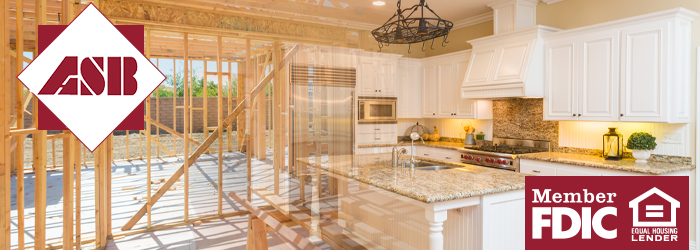
Is it better to build or buy a home in a small town? The answer depends on your timeline, budget, location needs, and how much control you want over the finished home. Buying an existing house may help you move sooner, while building can give you more say in the layout, finishes, and long-term fit.
If you’re comparing building vs buying a home in Iowa, it helps to look beyond the listing price or estimated construction cost. Land, utilities, inspections, contractor timelines, loan options, commute, school district, and future resale value can all shape the decision.
Here are a few small-town home buying tips to help you think through both options before you choose your next step.
Quick Navigation
Comparing building vs. buying? Jump to the section that is most helpful for you.
Is It Better to Build or Buy a Home in a Small Town?
Buying may be the better fit if you want to move quickly, prefer an established neighborhood, or find a home that already checks most of your boxes. Building may be the better fit if you already have land, want a specific floor plan, or are willing to wait longer for a home that matches your needs more closely.
Quick comparison: Buying may give you a shorter timeline and a clearer picture of the neighborhood. Building may give you more control over the finished home, but it usually requires more planning, patience, and decisions along the way.
A quick way to compare:
Buying an existing home may make sense if you:
- Need to move within a shorter timeline
- Want to see the home, neighborhood, and yard before deciding
- Prefer an established street, mature trees, or a known school district
- Are comfortable making updates over time
- Want a clearer idea of the home’s current market value
Building a home may make sense if you:
- Want more control over layout, finishes, and accessibility
- Have found a lot in the right location
- Are prepared for construction timelines and decisions
- Want newer systems, materials, and energy-efficient features
- Have time to plan before you need to move
Before you get too far into either path, it can help to talk with a local mortgage lender about payment range, down payment needs, and possible loan options.
Buying an Existing Home May Make Sense If You Want to Move Sooner
One of the biggest advantages of buying an existing home is timing. If the house is move-in ready or only needs minor updates, you may be able to settle in much sooner than you would with a new build.
That can matter if you’re relocating for work, trying to get into a certain school district, moving closer to family, or hoping to be settled before winter, harvest, or a new school year.
Buying an existing home may also give you a clearer picture of the neighborhood. You can drive the route to work, see how close you are to stores or schools, look at nearby homes, and get a better feel for the area before making an offer.
Still, an older home can come with tradeoffs. Before you buy, pay close attention to:
- Inspection results: Roof age, foundation concerns, plumbing, electrical systems, HVAC, windows, and drainage can all affect your true cost.
- Renovation needs: Cosmetic updates are one thing. Major repairs, outdated wiring, or structural issues can change your budget quickly.
- Energy efficiency: Older windows, insulation, or heating systems may lead to higher utility bills.
- Layout limitations: You may be able to update paint and flooring, but changing the footprint or adding space can be expensive.
- Future resale: Consider whether the home’s location, condition, and layout will appeal to future buyers.
Buying a current home is often faster than building, but “faster” does not always mean “simple.” The key is knowing what you’re buying and what you may need to invest after closing.
Building a Home May Make Sense If You Want More Control
Building a home in a small town can be exciting because you get to think through how you actually want to live. You may be able to choose the floor plan, storage, kitchen layout, garage size, finishes, and features that make daily life easier.
That control can be especially helpful if you want:
- A main-floor bedroom or laundry room
- More garage, shop, or outdoor storage space
- An open kitchen and living area
- Energy-efficient windows, insulation, or appliances
- Space for a growing family
- Accessibility features for long-term living
- A location near family, work, school, or farmland
But building also brings more moving pieces. In a smaller community or rural area, the land itself matters just as much as the house plan.
Before building, think through:
- Lot availability: Is the land ready to build on, or will it need grading, clearing, or additional prep?
- Utility access: Are water, sewer, electric, gas, and internet already available? If not, what will it cost to connect them?
- Road access: Is the property easy to reach year-round, including during snow, storms, or muddy seasons?
- Contractor timelines: Local builders, electricians, plumbers, and inspectors may book out months in advance.
- Material costs: Pricing can shift between planning and construction.
- Appraisal considerations: In small towns, there may be fewer comparable homes, which can affect the appraisal process.
- Temporary housing: If your current home sells before the new one is ready, where will you live in between?
Planning to build?
Before you commit to land, plans, or a builder, it’s smart to have a conversation about home loans and what your overall financing picture may look like.
Small-Town Factors That Can Change the Decision
Building or buying a house in a small town is different from shopping in a large housing market. In communities like Osceola, Lamoni, Winterset, and surrounding Iowa areas, the right choice may depend on details that don’t always show up in a basic home search.
Here are a few local factors to keep in mind.
Available Homes May Be Limited
In smaller communities, there may not be dozens of homes that match your preferred price range, size, and location. If you find a home that fits most of your needs, buying may be worth considering even if it needs a few updates.
On the other hand, limited inventory may push some families toward building, especially if they already own land or want to stay near a specific town, school, or family farm.
Lots Are Not All the Same
A lower-priced lot may look like a great deal until you factor in utility hookups, driveway installation, drainage work, septic needs, or road access. If you’re building outside city limits, those details can make a big difference in the total cost.
Appraisals Can Be More Complicated
In small towns or rural areas, there may be fewer recent home sales that compare closely to the house you want to buy or build. That can affect the appraisal process. It’s one more reason to ask questions early and avoid making assumptions based only on online estimates.
Commute and Daily Life Matter
A home that looks perfect on paper may feel different if it adds 20 minutes to your drive, creates a tougher school drop-off routine, or puts you farther from groceries, medical care, or family support. Think through your regular week, not just the home itself.
Resale Value Still Counts
Even if you plan to stay for years, it’s worth thinking about what future buyers may want. Location, bedroom count, garage space, main-floor features, and overall condition can all affect resale value later.
Questions to Ask Before You Choose
If you’re still deciding whether to build or buy, these questions can help you have better conversations with your realtor, builder, and lender.
Questions to ask if you’re buying:
- How long has the home been on the market?
- What repairs or updates are likely needed in the next five years?
- How old are the roof, HVAC, windows, plumbing, and electrical systems?
- Are there any known drainage, foundation, or water issues?
- How does the price compare to similar recent sales nearby?
- Will the home still work if your family or needs change?
Questions to ask if you’re building:
- Is the lot build-ready, or will it need additional site work?
- Are utilities already available?
- What is included in the builder’s estimate, and what is not?
- What choices could increase the final cost?
- What is a realistic timeline from planning to move-in?
- Could weather, materials, or contractor availability delay the project?
- Will the home appraise based on similar properties in the area?
Questions to ask your lender:
- What payment range should I be considering?
- How much should I plan for a down payment and closing costs?
- What mortgage loan options may fit my situation?
- Should I consider a fixed-rate mortgage or adjustable-rate mortgage?
- Are there down payment assistance Iowa programs I should ask about?
- What should I do before I apply for a home loan?
Talk With a Local Lender Before You Get Too Far
Whether you’re leaning toward buying or building, a lender conversation early in the process can save you from guessing.
Our local lenders can help you talk through what may fit your income, down payment, monthly payment comfort level, and long-term plans. That does not mean you have to have everything figured out before you reach out. In fact, it’s often better to ask questions before you fall in love with a house plan, lot, or listing.
A local conversation can help you understand:
- How much home you may be comfortable financing
- What your estimated monthly payment could look like
- How a fixed-rate mortgage compares to an adjustable-rate mortgage
- What documentation you may need for the loan process
- How down payment and closing costs may affect your savings
- What local market details may be worth considering
Small-town home decisions are personal. The right answer for one family may not be the right answer for another, and that’s okay. Our goal is to help you understand your options before you make a major move.
Ready to Talk Through Your Home Loan Options?
Building vs buying a home is a big decision, especially in a small town where land, location, timing, and long-term plans all matter. If you’re thinking about buying an existing home, building new, or simply wondering what may be realistic, we’re here to help you start the conversation.
You can explore our home loans, review available mortgage loans, or visit one of our local offices in Osceola, Lamoni, or Winterset to talk with our team.
Explore Home Loans Apply for a Home Loan
Frequently Asked Questions About Building vs Buying a Home
Here are a few common questions homeowners may have when comparing whether to build or buy a home in a small town.
Is it cheaper to build or buy a home in a small town?
Buying an existing home is often less expensive upfront than building, especially if the home is in good condition and does not need major repairs. However, the true cost depends on the local market, available inventory, land prices, utility access, renovation needs, and construction costs.
A lower-priced existing home may become more expensive if it needs a new roof, HVAC system, windows, or major updates. A new build may cost more upfront, but it can offer newer systems, better energy efficiency, and a layout designed for your needs.
What costs should I plan for when building a home?
When building a home, plan for more than the house itself. Costs may include land, site preparation, utility hookups, driveway installation, permits, inspections, builder fees, materials, landscaping, appliances, and possible temporary housing.
If you’re building outside city limits, you may also need to think about septic systems, wells, internet access, and road maintenance. It’s smart to ask your builder what is included in the estimate and what could become an added cost later.
What should I look for when buying an older home in a small town?
When buying an older home, look closely at the roof, foundation, basement, plumbing, electrical system, windows, HVAC, insulation, and drainage around the property. Cosmetic updates like paint or flooring may be manageable, but major repairs can affect your budget quickly.
You should also think about the home’s layout, resale value, neighborhood, school district, commute, and whether the home will still work for your needs several years from now.
When should I talk to a mortgage lender?
It’s a good idea to talk to a mortgage lender before you start making serious decisions about buying or building. A lender can help you understand your price range, down payment needs, loan options, estimated monthly payment, and documents you may need. This can make your conversations with realtors, builders, and sellers much more productive because you’ll have a clearer idea of what may be realistic.
What type of home loan should I consider?
The right home loan depends on your finances, timeline, credit, down payment, and long-term plans. Some buyers may prefer a fixed-rate mortgage because the rate stays the same throughout the life of the loan, making monthly payments easier to plan for.
Others may consider an adjustable-rate mortgage if they expect their situation to change or plan to move sooner. The best next step is to talk through your options with a local lender who can help you compare what may fit your goals.
Buying a Home Family Financial Planning Home Improvement Mortgage
July 7, 2026 by American State Bank