As summer winds down, it’s a natural time to look around your home and think about what could use a little attention before fall sets in. Maybe you’re planning to sell in the next year, or maybe you just want your space to feel a little more comfortable heading into cooler months.
The good news is, you don’t need a full remodel to make a noticeable difference. A few small, well-chosen updates can go a long way in improving your home’s look—and its value.
What home upgrades add the most value before fall?
Small, cost-effective upgrades like fresh paint, improved lighting, updated hardware, basic landscaping, and energy-efficient improvements tend to add the most value before fall. These updates are relatively inexpensive, quick to complete, and help your home feel well-maintained—something buyers and appraisers both notice.
Quick Navigation
Planning a few home updates? Jump to the section that is most helpful for you.
Why Small Upgrades Can Make a Big Difference
In smaller Iowa communities like ours, homes do not need to feel brand new to make a good impression. Buyers, visitors, neighbors, and even your own family notice when a home feels clean, maintained, and practical.
That does not mean every project needs to be expensive. In fact, some of the best home upgrades before fall are simple improvements that make daily life easier while improving the way your home looks and feels.
Small upgrades can help:
- Boost your home’s perceived value
- Improve curb appeal before colder weather arrives
- Make everyday spaces more comfortable and functional
- Help your home stand out if you decide to sell
- Prevent minor issues from becoming bigger winter repairs
The key is choosing updates that are visible, useful, and realistic for your budget. Instead of focusing on luxury finishes, think about what makes your home feel cared for.
Related Reading
8 Small Home Upgrades That Add Value
1. Refresh High-Traffic Areas With Paint
Fresh paint is one of the simplest ways to make a home feel cleaner and more updated. You don’t need to repaint your entire house. Start with the areas people notice most.
Good places to focus include:
- Entryways
- Hallways
- Living rooms
- Kitchens
- Trim, doors, and baseboards
If you are thinking about selling, choose warm neutral colors that feel clean and easy to decorate around. If you are staying put, focus on the spaces that feel the most worn or dated.
Do not forget the details. Touching up chipped trim, scuffed doors, or marked-up baseboards can make a room feel better maintained without the cost of a full paint project.
Helpful tip: Before you buy paint, walk through your home during daylight and evening hours. A color that looks soft and warm in natural light may look darker under indoor lighting.
2. Front Entry & Curb Appeal Touch-Ups
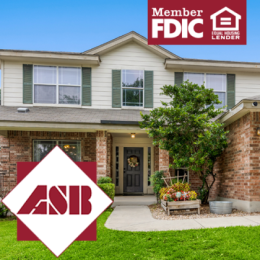
Your front entry sets the tone before anyone steps inside. This is one of the easiest places to improve curb appeal without spending a lot.
Before fall, consider:
- Cleaning or painting the front door
- Replacing faded house numbers
- Updating an old mailbox
- Adding a simple outdoor mat
- Placing one seasonal planter near the entrance
- Cleaning porch lights and removing cobwebs
These details may seem small, but they help your home look more welcoming and cared for. If your door is in good shape, a deep clean and new hardware may be enough. If it is faded or scratched, fresh paint can make a big difference.
For fall, keep seasonal decor simple. A planter, wreath, or clean entryway can feel inviting without looking cluttered.
3. Clean Up Landscaping Before Cooler Weather
You don’t need a full landscaping project to make your yard look better. Late summer and early fall are great times to clean up what is already there.
Start with practical tasks:
- Trim overgrown bushes
- Pull weeds from beds and walkways
- Add fresh mulch where beds look bare
- Edge sidewalks and driveways
- Remove dead plants or branches
- Clean up leaves and debris around the foundation
A tidy yard can make your home look more maintained right away. It also helps prepare your property before leaves, snow, and ice make outdoor work harder.
If you are planning to sell, focus on the front of the home first. That is where curb appeal matters most. If you are staying, prioritize areas you use often, like patios, walkways, and outdoor seating areas.
Continue Reading
4. Update Lighting Inside and Outside
Lighting affects how a home feels more than people realize. A room can look dated, cramped, or dull simply because the lighting is too dim or the fixtures are outdated.
Small lighting updates to consider include:
- Replacing old ceiling fixtures with clean, simple styles
- Adding brighter bulbs in kitchens, bathrooms, and work areas
- Using warm-toned bulbs in living spaces for a comfortable feel
- Updating exterior porch or garage lights
- Adding motion-sensor lighting near entries or walkways
Exterior lighting is especially helpful before fall and winter, when days get shorter. It can improve safety, make your home easier to navigate, and create a more welcoming look from the street.
Helpful tip: Keep finishes consistent when possible. If your kitchen hardware, door handles, and light fixtures are all different finishes, choosing one or two finishes throughout the home can make everything feel more pulled together.
5. Make Small Kitchen Updates That People Notice
Kitchens are one of the most-used spaces in a home, but you do not need a full kitchen remodel to make the room feel fresher.
Affordable updates may include:
- Replacing cabinet handles or drawer pulls
- Updating an older faucet
- Adding under-cabinet lighting
- Deep cleaning grout or backsplash areas
- Re-sealing countertops if needed
- Replacing worn outlet covers or switch plates
If your cabinets are in good shape, new hardware can make them feel more current. If your faucet leaks, looks worn, or is difficult to use, replacing it can improve both appearance and function.
Doing a few of these improvements will make it feel cleaner, easier to use, and better maintained.
Planning something bigger?
If your project is moving beyond small updates, it may help to start thinking through your budget and financing options early.
6. Refresh the Bathroom Without Remodeling It
Bathrooms can show wear quickly, especially around sinks, tubs, mirrors, and fixtures. A few small updates can make the space feel cleaner and more comfortable.
Consider:
- Re-caulking around tubs, showers, and sinks
- Replacing an outdated mirror
- Updating lighting above the vanity
- Swapping old faucets or showerheads
- Adding simple storage baskets or shelves
- Replacing worn towels, bath mats, or shower curtains
Re-caulking is a small detail, but it can make a bathroom look noticeably cleaner. It can also help prevent moisture issues when done properly.
If you are deciding where to spend money, focus first on anything that looks worn, stained, loose, or difficult to clean. A clean and functional bathroom often matters more than trendy finishes.
7. Improve Energy Efficiency Before Fall
Energy-efficient updates are especially useful before Iowa temperatures start to drop. These upgrades may not always be flashy, but they can make your home more comfortable and may help reduce energy waste.
Good fall-prep projects include:
- Replacing worn weather stripping around doors
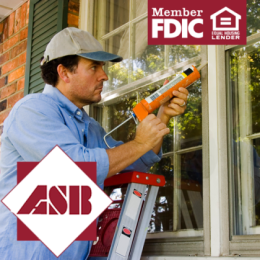
- Sealing drafts around windows
- Installing a programmable thermostat
- Replacing old furnace filters
- Adding door sweeps where cold air comes in
- Checking attic or basement areas for obvious air leaks
These updates can help your home feel warmer and more efficient heading into fall and winter. They are also practical improvements that buyers may appreciate because they point to comfort and maintenance.
Helpful tip: If one room always feels colder than the rest of the house, start there. Check windows, exterior doors, vents, and insulation before assuming you need a bigger fix.
8. Add Storage Where Your Home Needs It Most
Storage is one of those features people appreciate every day. It can also make a home feel larger and more functional.
Simple storage improvements include:
- Adding shelves in closets, pantries, or laundry rooms
- Installing hooks near entryways for coats and bags
- Adding garage shelving for seasonal items
- Using drawer organizers in kitchens and bathrooms
- Creating a drop zone for shoes, backpacks, and mail
- Decluttering closets so existing storage feels more useful
Before you buy storage products, look at where clutter naturally collects. That usually tells you where your home needs a better system.
For example, if coats and shoes pile up by the back door, hooks and a bench may be more useful than closet organizers. If garage items are stacked on the floor, simple wall shelving may make the biggest difference.
Related Resource
Which Upgrades Offer the Best Return on Investment
If you are working with a limited budget, focus on upgrades that are visible, practical, and likely to be noticed.
Good priorities include:
- Paint in high-traffic rooms
- Entryway and curb appeal updates
- Kitchen hardware or faucet upgrades
- Bathroom caulking, mirrors, and lighting
- Energy-efficiency improvements before winter
- Storage solutions in everyday spaces
The best return is not always about the highest resale value. Sometimes it is about choosing projects that make your home more enjoyable now while still supporting long-term value later.
If you are preparing to sell, prioritize the projects buyers will see first: curb appeal, entryway, kitchen, bathroom, and main living areas. If you are staying in your home, focus on the upgrades that solve daily frustrations.
How to Budget for Home Improvements
Even small home projects can add up quickly if you do not have a plan. Before you start buying supplies, take time to decide what matters most.
A simple budgeting approach can help:
- Walk through your home and make a list of possible projects
- Separate “must-do” repairs from “nice-to-have” updates
- Choose two or three projects to tackle first
- Set a spending limit for each project
- Leave room for unexpected costs
- Compare DIY costs with professional help when needed
It can also help to create a dedicated savings goal for home improvements. Setting aside a little at a time in a personal savings account may make future projects easier to manage without relying on last-minute decisions or added debt.
You can also use online banking to keep an eye on your balances, transfers, and bills as you plan your project budget.
If you are considering a larger project, such as replacing windows, updating major systems, or completing a bigger remodel, it may be worth looking at financing options before you begin.
Related Reading
Planning Your Big Home Project for 2026? Here’s What to Do Now
How We Can Help
Whether you are planning a few small updates or thinking about a larger home improvement project, we are here to help you look at your options.
Depending on your goals, you may want to consider:
- A dedicated savings plan for smaller projects
- A home equity loan for larger improvements
- Mortgage options if you are preparing to buy, sell, or refinance
- Online banking tools to help track your budget
Every home and budget looks a little different. We are always happy to talk through what makes sense for your situation and help you plan with confidence.
A Few Small Changes Can Go a Long Way
You do not need a major renovation to make your home feel more comfortable, more functional, or more valuable. A few thoughtful updates can help your space feel ready for the season ahead.
Start with the projects that matter most to your daily life. Clean up what feels worn, fix what is starting to bother you, and choose upgrades that make your home feel cared for. By the time fall settles in, those small changes can make a noticeable difference.
Frequently Asked Questions
What home upgrades add the most value?
Home upgrades that improve appearance, function, and efficiency tend to add the most value. Fresh paint, updated lighting, kitchen hardware, bathroom refreshes, curb appeal improvements, and energy-efficient updates are all strong places to start because they are noticeable and practical.
What is the cheapest way to increase home value?
Some of the cheapest ways to increase home value include painting, decluttering, deep cleaning, updating hardware, improving lighting, and refreshing curb appeal. These projects do not require a large remodel, but they can make your home feel cleaner and better maintained.
Are small renovations worth it before selling?
Small renovations can be worth it before selling, especially when they make the home feel clean, updated, and move-in ready. Focus on visible areas like the entryway, kitchen, bathroom, and main living spaces instead of over-customizing with expensive finishes.
How can I increase home value on a budget?
To increase home value on a budget, prioritize high-impact projects that improve how your home looks and functions. Paint, lighting, storage, landscaping, and basic maintenance are good starting points because they are affordable and appeal to a wide range of homeowners and buyers.
When should I start home upgrades before fall?
Late summer is a good time to start home upgrades before fall because the weather is still workable for outdoor projects, and you have time to finish small indoor updates before the colder months. It is also a practical time to prepare your home for shorter days, cooler temperatures, and more time spent indoors.
Budgeting Financial Planning Home Improvement
June 25, 2026 by American State Bank