Iowa weather can change its mind pretty quickly in the fall. A warm afternoon can give way to a frosty morning, and outdoor projects become much harder once freezing temperatures, wind, and ice arrive.
Around Osceola, Lamoni, and Winterset, taking care of these projects before the first cold stretch is much easier than trying to handle them once snow and ice arrive. Use this Iowa fall home maintenance checklist to work through the most important tasks a few at a time.
Quick answer: Iowa homeowners should prepare for winter by cleaning gutters, testing the furnace, checking smoke and carbon monoxide alarms, sealing drafts, disconnecting garden hoses, protecting outdoor plumbing, and inspecting the roof, trees, and foundation. Start in September and try to finish weather-sensitive outdoor work by early October, while continuing to watch the local forecast for freezing temperatures.
Quick Navigation
Getting your home ready for winter? Jump to the section that is most helpful for you.
What Home Maintenance Should Iowa Homeowners Do in the Fall?
Start fall maintenance in September and aim to finish outdoor plumbing, furnace, gutter, and draft-sealing tasks by early October.
There isn’t one guaranteed first-freeze date for the entire state. Freeze timing varies by location and from year to year, so pay attention to your local forecast instead of waiting for a certain date on the calendar. Iowa State University Extension provides historical Iowa frost and freeze dates by county to help homeowners understand typical local timing.
Where to start: Prioritize projects involving water, heating, or outdoor exposure. Disconnecting a hose, clearing a downspout, or repairing an exterior gap is much easier before temperatures drop below freezing.
Clean Gutters and Check Drainage
Once the leaves come down and the rain turns to sleet, clogged gutters turn into a real problem. Water that can't drain backs up, freezes, and forms ice dams along your roofline. That trapped ice can push up under shingles and leak into your walls and ceilings.
Wait until most of the leaves have fallen, then:
- Scoop out leaves, twigs, and other debris from gutters
- Flush the gutters and downspouts with a hose to confirm they drain
- Look for loose brackets, leaks, or sections that are pulling away from the roofline
- Aim downspouts a few feet away from the foundation so melting snow doesn't pool near the house
- Keep downspout discharge away from driveways and walkways where the water could freeze
If water pools near the house after a fall rain, take another look at the downspout placement and grading around the foundation.
Safety note: Gutter work involves ladders, uneven ground, and slippery debris. If you can’t safely reach the gutters from a stable ladder, hire a qualified professional rather than working from the roof.
Test the Furnace and Safety Alarms
Nobody wants to discover the furnace is dead on the first 10-degree morning. Give your heating system a checkup while the weather is still mild and repair companies aren't slammed with calls.
Use this furnace and home-safety checklist:
- Replace the furnace filter (and plan to swap it every 1–3 months all winter)
- Run the heat for a few minutes to make sure it kicks on and blows warm
- Listen for banging, rattling, or a burning smell that lingers
- Schedule a professional tune-up if it's been more than a year
- Test your smoke and carbon monoxide detectors and replace the batteries
A furnace that runs efficiently uses less fuel, which matters when Iowa heating bills climb from December through February.
If you use a wood-burning fireplace, arrange for a chimney inspection and cleaning when needed before the heating season. Creosote and other buildup inside a chimney can create a fire risk. Iowa State University Extension includes furnace maintenance, detector testing, weather stripping, gutter cleaning, and chimney care among its recommendations for preparing a home for winter.
Seal Drafts Around Windows and Doors
You'd be surprised how much warm air slips out through small gaps. Sealing them up is one of the cheapest ways to lower your heating costs and keep rooms comfortable.
On a cool or windy day, walk through the house and check:
- The edges of exterior doors
- Window frames and sashes
- The bottom of exterior and garage-entry doors
- Areas where pipes, cables, or vents pass through an exterior wall
- Electrical outlets and switches located on exterior walls
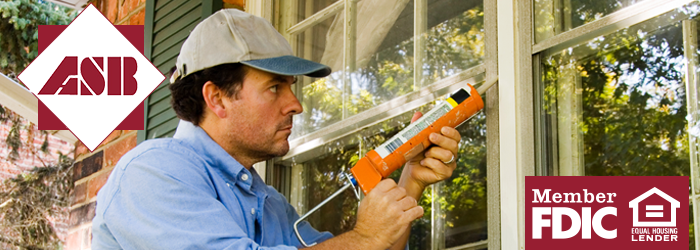
For small gaps, the appropriate repair may be new weather stripping, exterior caulk, or a door sweep. Use a product designed for the surface and location, and follow its temperature and application instructions.
If you notice air entering through an outlet or switch on an exterior wall, a foam gasket installed behind the cover plate may help. Turn off power to the circuit before removing a cover plate, or leave the task to someone who can complete it safely.
Air sealing can improve comfort, but it isn’t a substitute for correcting water leaks, damaged windows, or other underlying problems. If drafts are widespread throughout the house, a professional energy assessment may help identify where heat loss is occurring.
Helpful Resource
Some income-qualified Iowa households may be eligible for energy-efficiency improvements through the Iowa Weatherization Assistance Program, administered through local community action agencies.
Disconnect Hoses and Protect Outdoor Plumbing
Frozen pipes are one of the most common and most expensive cold-weather surprises. Water expands as it freezes, and that pressure can crack a pipe or split an outdoor spigot.
Before freezing temperatures arrive:
- Disconnect garden hoses from outdoor faucets
- Drain hoses completely before storing them
- If an outdoor faucet has an interior shutoff valve, close it and drain the remaining water from the line
- Follow the manufacturer’s directions if your home has frost-free outdoor faucets
- Use an insulated faucet cover where appropriate
- Insulate vulnerable water pipes in unheated areas, such as garages, crawlspaces, or unfinished basements
- Winterize an in-ground sprinkler system according to the manufacturer’s instructions or hire a qualified professional
- Make sure everyone in the household knows where the main water shutoff valve is located
A faucet cover can provide additional protection, but it shouldn’t replace disconnecting the hose or properly draining a line when the home’s plumbing setup allows it.
When in doubt, ask: If you’re unsure whether an outdoor faucet has an interior shutoff or whether a pipe needs additional insulation, ask a licensed plumber to evaluate it before freezing weather arrives.
Inspect the Roof, Trees, and Foundation
Iowa winters bring heavy snow, ice, and strong wind, and your roof and trees take the brunt of it. A quick inspection now helps you catch problems before a storm makes them worse.
From the ground, look for:
- Missing, cracked, buckled, or curled shingles
- Loose or damaged flashing around chimneys, vents, and roof openings
- Sagging gutters or damaged downspouts
- Water stains on ceilings or in the attic
- Cracks or gaps around the foundation
- Peeling paint or failed caulk that leaves wood exposed
- Dead, damaged, or weak tree limbs over the roof, driveway, or walkways
Binoculars can help you inspect the roofline without climbing onto the roof. If you see possible damage, contact a qualified roofing professional for a closer evaluation.
Safety note: Hire a qualified tree professional for large, high, or damaged limbs. Don’t attempt to trim branches near power lines. Contact the utility company if branches are close to electrical lines.
Related Reading
Finish Exterior Repairs While the Weather Allows
Pay particular attention to repairs involving water entry, exposed wood, loose walking surfaces, or gaps around exterior doors. Freezing temperatures can make these areas harder to access and may worsen existing damage.
Before colder weather settles in:
- Secure loose porch railings, deck boards, and steps before they become covered with snow or ice.
- Replace worn exterior-door thresholds or garage-door seals
- Repair failed caulk that is allowing moisture behind siding, trim, windows, or doors
- Touch up peeling exterior paint where bare wood is exposed, as long as weather conditions meet the paint manufacturer’s instructions
- Repair driveway or sidewalk cracks while the surface is clean, dry, and within the repair product’s recommended temperature range
- Clean and store outdoor furniture, tools, and seasonal equipment
- Follow the manufacturer’s end-of-season storage directions for lawn mowers and other fuel-powered equipment
Don’t rush it: If temperatures have already dropped, don’t apply paint, sealant, or concrete-repair products outside their recommended conditions. A rushed repair that doesn’t cure properly may not hold up through the winter.
Plan for Larger Repairs and Home Improvements
A fall inspection can uncover work that goes beyond a weekend project, such as an aging roof, damaged windows, insufficient insulation, or a heating system that needs replacement.
If a project is larger than a weekend budget can cover, a home equity loan can be a practical way to fund it. It lets you borrow against the equity you've already built, often at a lower rate than other financing options, so you can take care of the work now instead of putting it off another winter.
Our local lenders live and work in these same communities, and they're happy to walk you through your options without any pressure. We can help you figure out what makes sense for your home and your budget.
Explore Home Loans Talk With Our Lending Team
Get Ahead of Iowa Winter Now
The first real cold snap always seems to sneak up on us. Working through this checklist over a few fall weekends means you won't be scrambling when the snow starts to fly. Clean the gutters, check the furnace, seal the drafts, protect the plumbing, and handle the small repairs while it's still comfortable to be outside.
And if this fall's to-do list points to a bigger project down the road, we're right here in the neighborhood to help you plan for it. Stop by, give us a call, or reach out to our lending team anytime.
Frequently Asked Questions
Here are a few common questions Iowa homeowners have when getting a home ready for winter.
1. What home maintenance should Iowa homeowners do every fall?
Iowa homeowners should clean gutters, check drainage, test the furnace, inspect smoke and carbon monoxide alarms, seal drafts, disconnect garden hoses, protect outdoor plumbing, and inspect the roof, foundation, trees, steps, and railings. Homes with fireplaces or sprinkler systems may need additional seasonal service.
2. When should I winterize my home in Iowa?
Start in September and aim to finish freeze-sensitive outdoor work by early October. Iowa freeze timing varies by location and from year to year, so follow your local weather forecast rather than relying on one statewide deadline.
3. How do I protect an outdoor faucet from freezing?
Disconnect and drain the garden hose first. If the faucet has an interior shutoff valve, close it and drain the remaining water from the line. Follow the manufacturer’s directions for frost-free faucets, and use an insulated cover where appropriate.
4. What home repairs should not wait until spring?
Give prompt attention to active leaks, roof damage, unsafe steps or railings, exposed plumbing, failed exterior caulk, and openings that allow water into the home. The appropriate timeline depends on the severity of the problem, so consult a qualified professional when you’re unsure whether a repair can safely wait.
5. Can sealing drafts lower heating costs?
Sealing gaps around windows, doors, and exterior penetrations can reduce unwanted air movement and help the home retain heat. Actual savings depend on the condition of the house, heating system, insulation, weather, and improvements completed.
6. How can homeowners finance larger home improvements?
Qualified homeowners may consider savings, contractor financing, a personal loan, or a home equity loan, depending on the project and their financial situation. A home equity loan uses equity built in the home and typically provides an approved amount as a lump sum. Compare rates, terms, costs, collateral requirements, and monthly payments before borrowing.
August 18, 2026 by American State Bank